

Lung Cancer Research
Help back the next breakthrough

Lung Cancer at a Glance
*Source: Australian Institute of Health and Welfare
Continued research is critical to improving outcomes. Cure Cancer supports the work of emerging researchers investigating new ways to detect, understand and treat all cancer types, including lung cancer.
Our Lung Cancer Research
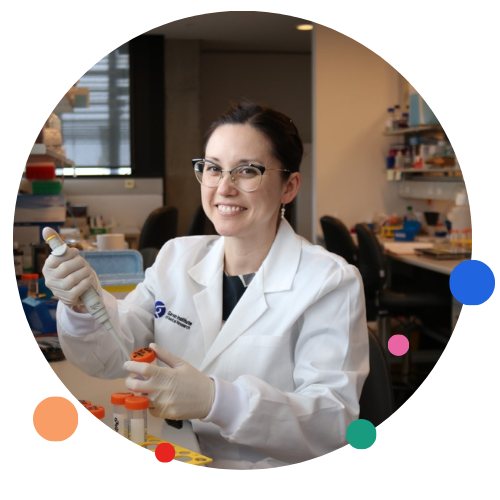
"I am inspired everyday by my patients, who whilst undergoing sometimes toxic therapies for incurable disease, donate their time, tissue and ideas to research to help patients like them. It is for them that I do the research.
"These grants are incredibly important, allowing me to fund my salary and use other funds awarded for this work for considerable sequencing costs."
- A/Prof Venessa Chin, 2022 Cure Cancer grant recipient
Some of our Lung Cancer Researchers
A/Prof Venessa Chin
A/Prof Arutha Kulasinghe
Dr Zhian Chen
Dr Mohamed Saad
Breakthroughs in Lung Cancer Research
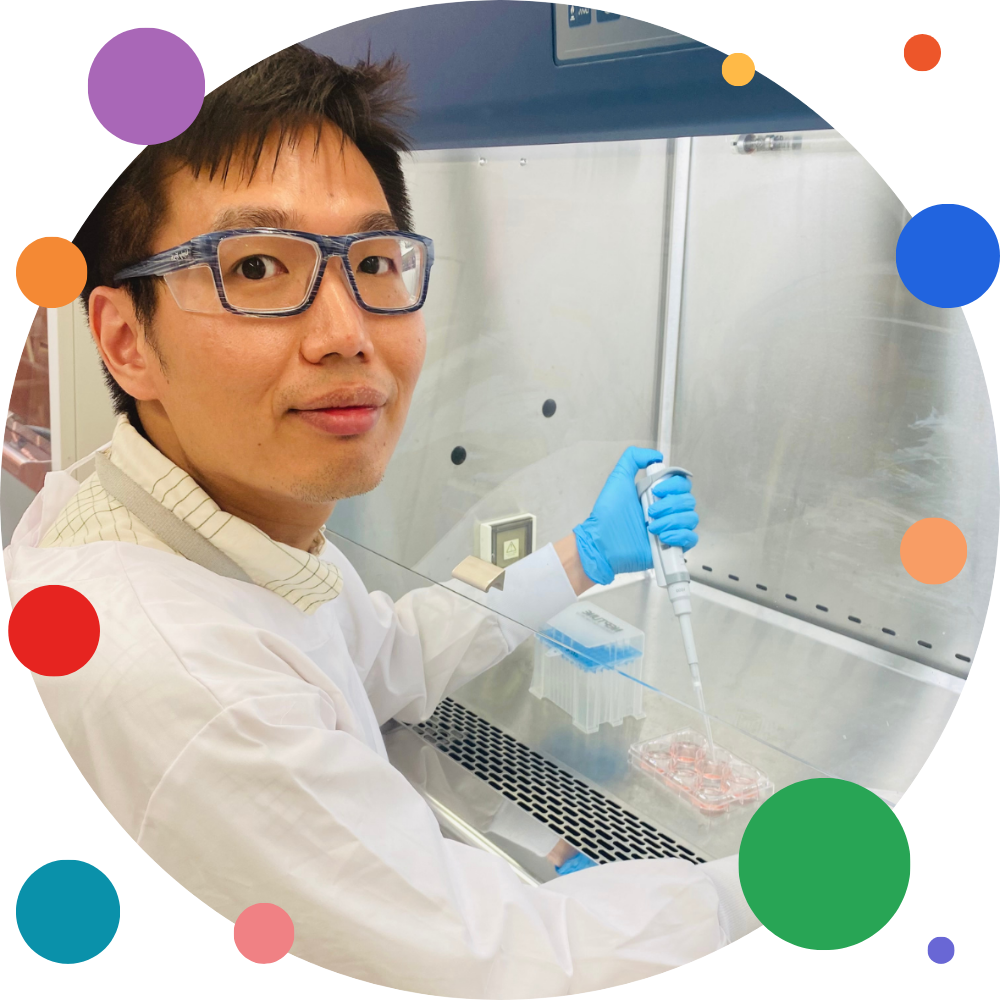
Dr Chen's research on how diet shapes immune cell survival, published in Nature
Why Research Funding Matters
Many of Australia's leading cancer researchers received funding from Cure Cancer at the earliest stages of their careers. Some have gone on to make discoveries recognised around the world.
Emerging researchers drive the breakthroughs that shape how cancer is understood and treated - but early-career funding is scarce and highly competitive. Every donation helps Cure Cancer back the next generation of researchers in Australia, across all cancer types.
How Your Donation Helps

$75
Can help fund an hour of research

$125
Can help fund microscopy imaging to look for immune cells in tumours

$550
Can help fund lab supplies for up to ten vital experiments

$1,000
Can help provide cutting-edge software to analyse cells
Learn more about Lung Cancer
What is lung cancer?
Lung cancer arises from the uncontrolled growth of abnormal cells within one or both lungs. It often metastasises to other parts of the body before the cancer can be detected in the lungs.
Lung cancer is the 5th most commonly diagnosed cancer in Australia.
While smoking and older age are the main risk factors for lung cancer, the disease can also occur in non-smokers. In Australia, it is estimated that 16.1% of men and 28.9% of women diagnosed with lung cancer between 2017-2026 are non-smokers.
Some international studies suggest there is a global trend of rising diagnoses in non-smokers.
What are the types of lung cancer?
The 2 main types of lung cancer can be distinguished from the appearance of their cells under a microscope:
Non-small cell lung cancer (NSCLC): A group of lung cancers, including adenocarcinoma, squamous cell carcinoma and large cell carcinoma, that make up around 85-90% of diagnoses.
Small cell lung cancer
Small cell lung cancer: A fast-growing, less common type of lung cancer that begins in the middle of the lungs and spreads faster than NSCLC.
What are the common symptoms of lung cancer?
Symptoms of lung cancer tend to appear when the disease has progressed to a later stage and has already spread to other parts of the body.
Some common symptoms of lung cancer include:
-
A new or changed cough that lasts more than 3 weeks
-
Chest and/or shoulder pain that worsens when coughing or inhaling deeply
-
Coughing up any amount of blood
-
Breathing difficulties such as shortness of breath
-
Hoarse voice
-
Difficulty swallowing
-
Persistent chest infection
-
Unintentional weight loss
-
Loss of appetite
-
Fatigue
If the cancer has metastasised to other parts of the body such as the bones, brain and liver, it can cause the following symptoms:
-
Pain in the neck, back or hips
-
Changes in vision or speech
-
Swollen lymph nodes
-
Jaundice
It is important to note that having some of these symptoms does not necessarily mean that you have lung cancer. Many of these symptoms overlap with other diseases and/or are long-term effects of smoking. If these symptoms persist, you should see a GP as soon as possible, even if you have never smoked.
How is lung cancer diagnosed?
Unfortunately, patients are often diagnosed in advanced stages when the cancer has already spread. This can be attributed to the late emergence or vagueness of symptoms as well as stigma and lack of awareness.
There is currently no population-wide screening program in Australia for lung cancer, but there are a number of tests that can be used to diagnose lung cancer. These may include:
-
Imaging tests such as X-rays, CT scans and PET scans
-
Sputum cytology, where a sample of phlegm is examined under a microscope
-
Biopsy of abnormal lung cells via a bronchoscopy, mediastinoscopy or needle biopsy
When lung cancer is diagnosed, additional tests may be done to determine the stage of the cancer and whether it has spread to other parts of the body. This helps doctors develop the most effective treatment plan for the patient.
What is the prognosis for lung cancer?
Lung cancer is the leading cause of death from cancer in Australia and the rest of the world. The 5-year survival rate of 19% for all lung cancers means that, depending on the stage of their disease, just 1 in 5 people will survive the first 5 years following their diagnosis.
Emerging lung cancer researchers like Dr Mara Zeissig and Dr Venessa Chin are hoping to change this.
Let's stay in touch
To receive updates on our work, campaigns and our impact in cancer research, subscribe to our newsletter.


