

How Alistair raised $12k for TCS Sydney Marathon: a playbook for first-time fundraisers
Practical, real-world fundraising tips from one of Team Cure Cancer’s top marathon runners, plus simple ways to share your why, build momentum, and get your workplace behind you.
By Alexandra Lapa | 2 Mar 2026
Raising funds for the TCS Sydney Marathon can feel daunting at first, especially if you’ve never fundraised before. Alistair Bentley gets that. He’s already raised more than $12,000 for Cure Cancer, and his approach is refreshingly simple: share your story, show your commitment, and invite people to be part of something that matters.
For Alistair, this marathon is deeply personal.
"The reason I am running is for my mum, who has been battling various types of cancer for over a decade now. My work group and friends have not only financially contributed a huge amount to my page, but they are always supporting me in everything I do.”
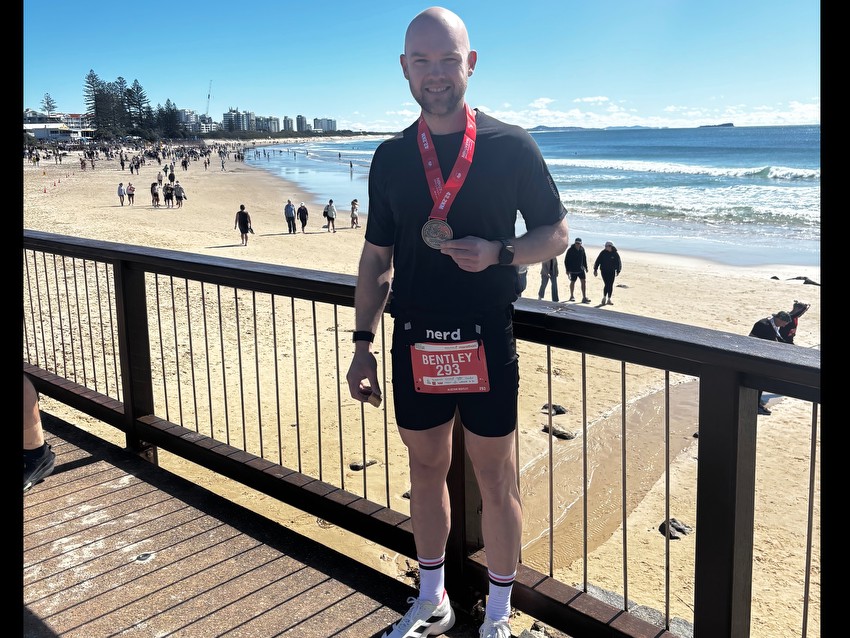
Running a marathon is tough, there’s no doubt about it. But it doesn’t compare to what people living with cancer can face every single day: the exhaustion, the fear, the uncertainty. And still, they wake up and keep going.
If you’re fundraising for the first time, or you’re trying to push past the awkwardness of “asking”, this is Alistair’s playbook.
Alistair’s quick stats
- 🎯Fundraising goal: $10,000 (surpassed ✅ as of this writing, he's raised over $12,400!)
- 🤝Where the support came from: workplace, plus family, friends, and community
- 📅 Training schedule: four runs per week, two gym sessions, plus mobility
- 🏃♂️Longest run right now: 20–22 km (building towards 30 km)
Tip 1: Start with your story, not a direct ask
One of the biggest hurdles for new fundraisers is feeling uncomfortable asking people for money. Alistair’s advice is to lead with meaning, and let people choose to get involved.
“You don’t have to ask people for money in a direct way. If you share your story and why it means something to you, people will want to get involved.”
Try this: Write a short post that answers: Why this? Why now? Then include your link as an easy next step.
Tip 2: Rally your workplace (it can be your biggest community)
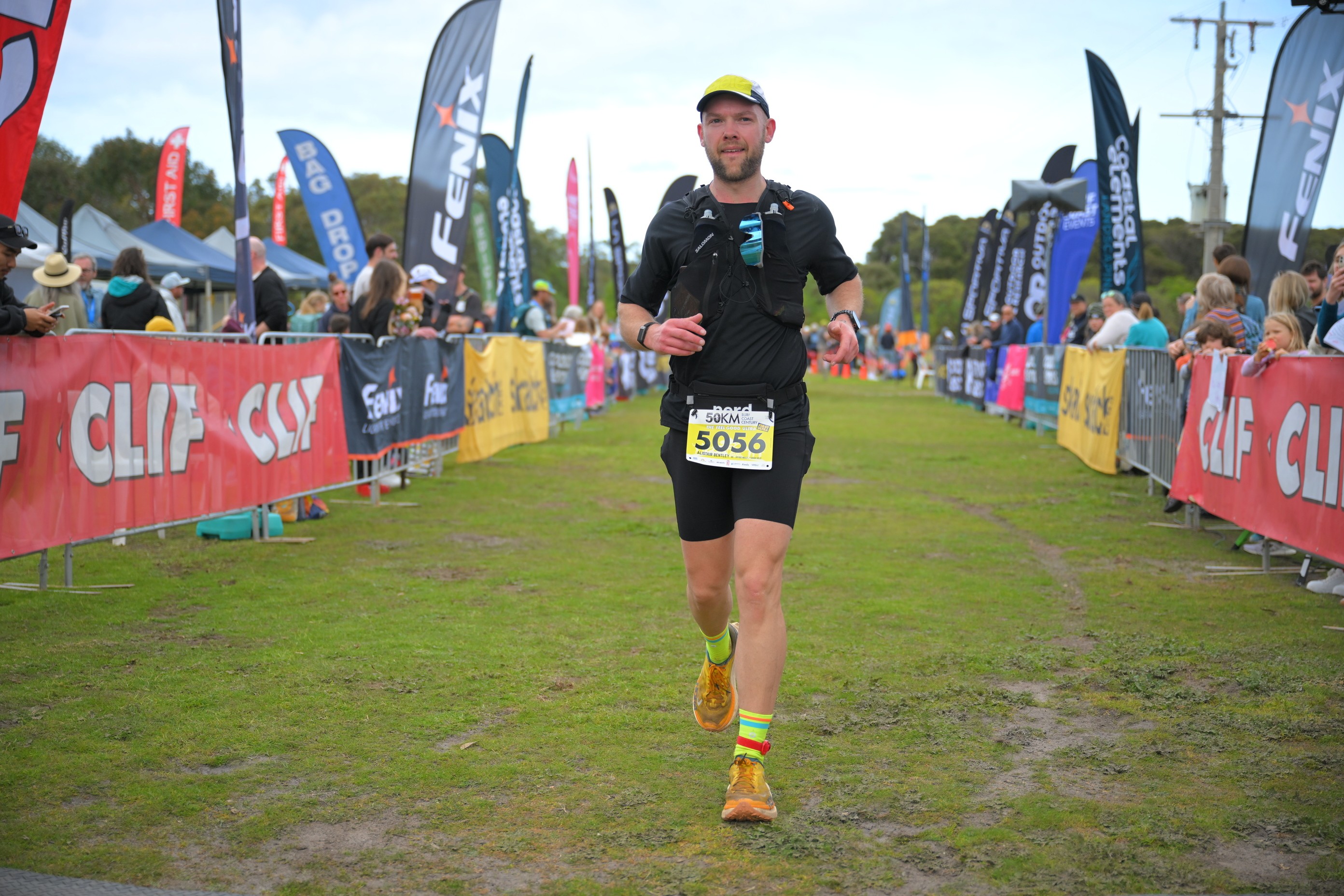
Alistair’s page didn’t grow only through social posts. His workplace was the real catalyst.
“So far, I’ve posted to my Instagram Story a few times, which had some good success. However, most of my donations have come from my workplace.”
“I’m an electrician on a large-scale site in Melbourne, so there was a decent audience to tell my story to. Everyone always gets around one another for things like this, so it’s a great environment for support.”
Try this: Share your page in a work chat, mention it in person, or ask your manager if you can put it on a noticeboard. People are often keen to back someone they know.
Tip 3: Set a bold goal, and back yourself
Alistair didn’t aim low. He set a goal he’d be proud of, and it gave others a clear target to rally behind.
“My original goal was $10k, which I have surpassed easily. I didn’t want to just aim low for the minimum amount, it’s not just about getting an entry for Sydney.
“Cancer is something that has touched my life, and I wanted to do my best to have a good crack at raising some funds.”
Try this: Pick a goal that feels meaningful, then set mini-milestones so people can help you “hit the next number”.
TIp 4: Show the effort, and people will respect the commitment
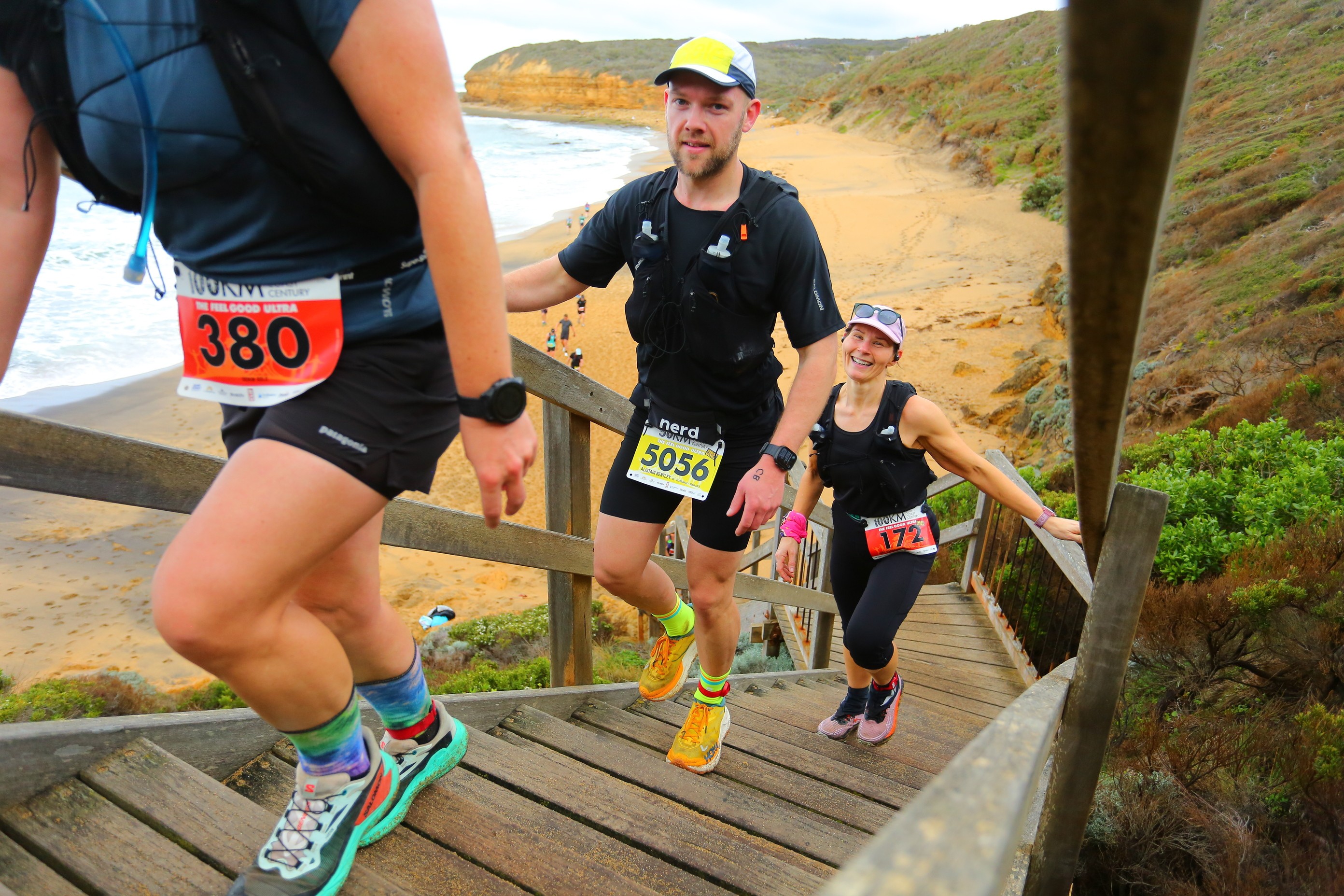
A marathon is a huge undertaking. When your supporters see the training, the early mornings, and the consistency, it builds belief.
“Showing that you are putting in a huge effort to not just run a marathon, but make weeks of sacrifice training and preparing, is a sign of commitment people will admire.”
Try this: Post a weekly update. It doesn’t need to be flashy. A simple photo, a run screenshot, or a quick reflection is enough.
Tip 5: Build a sustainable training routine
Alistair’s training isn’t just about running more. It’s about staying strong and avoiding setbacks.
“I’m currently running four days per week and doing two gym sessions, plus mobility.
“I struggled a bit with injury last year, and incorporating heavy leg-focused gym work and putting time aside for mobility has made a huge difference to my training.
“I do have a coach, shout out to Liam Henderson Run (check out his Instagram), and current long run distance is 20–22 km. This will creep up to 30 km as my load increases.”
Tip 6: Plan for the hard weeks (and keep going anyway)
Motivation isn’t always the issue. Life logistics are.
“Challenges are always present, mostly fitting in training after work. I’m up at 5 and get home at 5:30, so the winter months will be tough. But motivation is high, and I’m enjoying the process.”
Try this: Look at your week ahead and lock in your key sessions like appointments. Then adapt around everything else.
Tip 7: If you’re new, start where you are
Feeling overwhelmed is normal. Alistair’s advice is to shrink it down and begin.
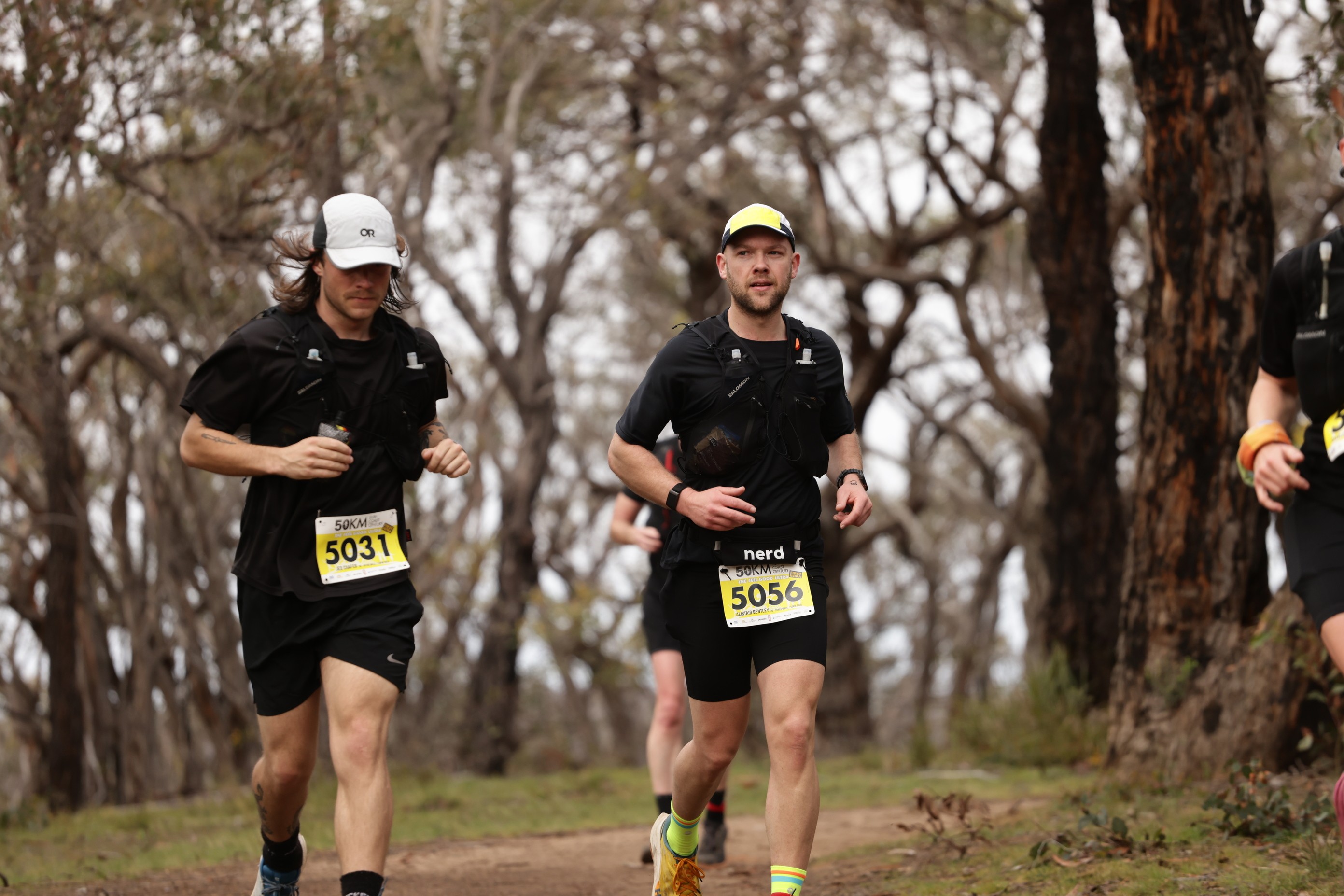
“Don’t feel overwhelmed. No matter where you are, just start. If it’s a 5 km run, a 2 km run, 2 min run 2 min walk, everyone starts somewhere.
“Be patient and enjoy the training process, it’s half the fun. Race day is just your reward for the work.”
A finish line that means more
Alistair has run marathons before, but this one is different.
“I ran two marathons last year, so this won’t be my first. But it will certainly be the one that means the most. I’m sure the emotions will be high crossing the finish line.”
And while he occasionally joins group runs, most of his training is solo.
“I do all of my training solo. I enjoy having my own time to clear my head and just run. I occasionally run in a group, but mostly I prefer to train alone.”
Fundraising for TCS Sydney Marathon too? Learn from Alistair’s tips, start your page, share your why, and take the first step.


