
Three years after a triple-negative breast cancer diagnosis, Jo is in remission and looking forward to Christmas with her two boys. Here, in her own words, is what research has meant for her family.
At 41, Jo was diagnosed with triple-negative breast cancer. Today she is in remission, and she wants to share what research has made possible for her family.
Jo's treatment took place long before she came to know Cure Cancer through our CEO, Vanessa Barry. She is telling her story because she hopes supporters will see what research can mean for a family, and why the work of emerging researchers matters so much. What follows is mostly in Jo's own words.

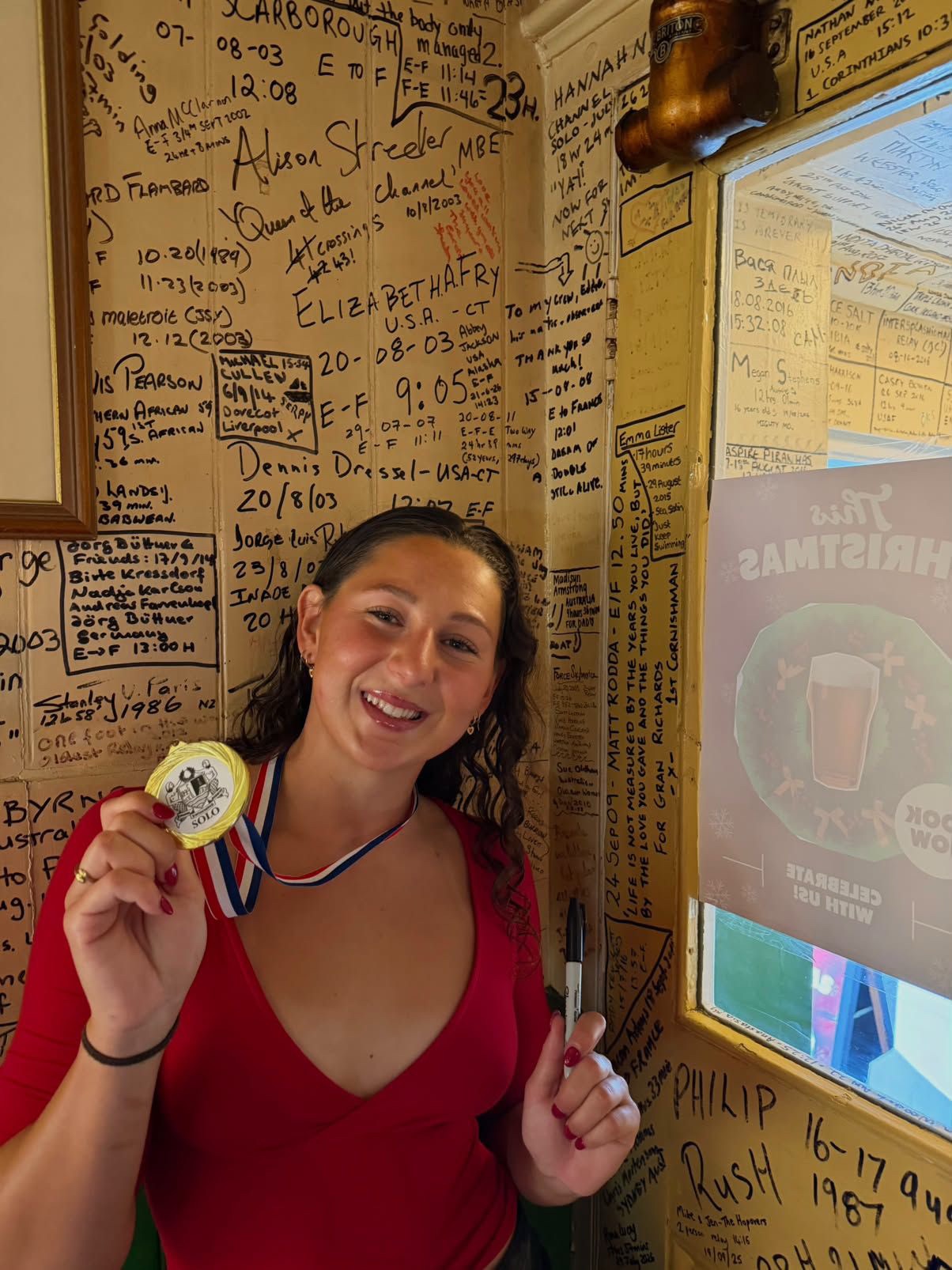
Jo Young (image supplied)
Diagnosed at 41, with two boys to think of
Jo found a lump beneath her breast while showering. A mammogram and ultrasound confirmed triple-negative breast cancer, a type that makes up around 15 per cent of breast cancers in Australia. It had already spread to a lymph node under her arm.
Looking back, Jo remembers where her thoughts went first. "When I was diagnosed with triple negative breast cancer, my biggest fear was not being here for my two boys," she shares. "There were so many moments in their lives I still wanted to be part of."
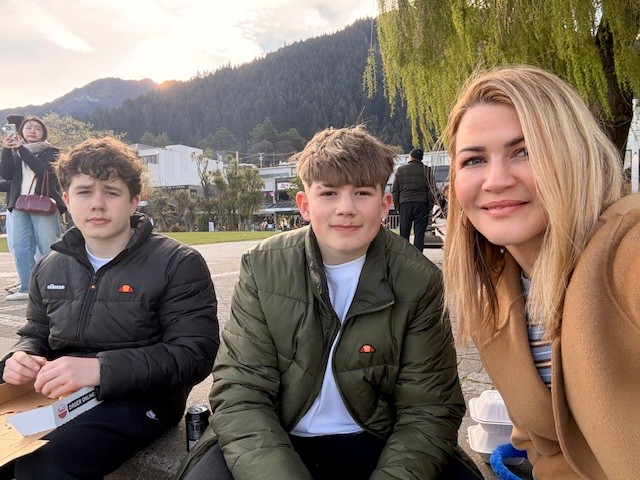
Jo with her two teenage boys (image supplied)
An early access program, and renewed hope
Jo began chemotherapy nine days after her diagnosis. She remembers how another opportunity came about.
"Through Professor Gavin Marx at the Sydney Adventist Hospital (the San), I was offered an early access program for an immunotherapy called pembrolizumab. My understanding was that it had recently come through clinical trials, and accessing the treatment privately had previously cost more than $125,000. I was the second person to receive it through this program at the San.
"That opportunity gave me enormous hope at a frightening time. Research had created another treatment option, and this program meant I could access it. I wanted every chance of being here to watch my boys grow up."
Treatment, and a change she could feel
Jo's treatment was given before surgery. She explains how it worked.
"I received pembrolizumab through the early access program at the San, under Professor Gavin Marx. It was given before surgery alongside chemotherapy, including carboplatin and paclitaxel, also known as Taxol, followed by doxorubicin and cyclophosphamide, with pembrolizumab continuing alongside treatment."
The side effects were demanding, and some days Jo could do little more than stay in bed. Early on, though, she noticed something that gave her hope.
"Amazingly, after my first few treatments, I could no longer feel the lump. Feeling that change so quickly gave me something hopeful to hold on to during a very difficult treatment journey.
"I then had a lumpectomy and lymph nodes removed, followed by radiation. When the tissue removed during surgery was examined, there was no residual cancer found: a complete pathological response. To receive that news was extraordinary."
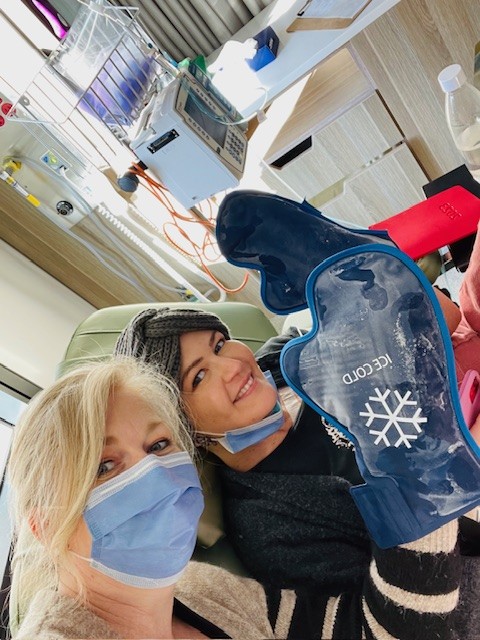
Jo and her mum (image supplied)
Where is Jo today
Today, Jo is in remission. She reflects on the difference research has made.
"Research made it possible for me to receive a treatment that, until relatively recently, would not have been available to someone in my position.
"I had a complete pathological response, and I’m now in remission. I’ve just had my three-year mammogram and PET scan, with no evidence of spread. Those milestones mean so much when you’ve lived with the fear of cancer.
"I can’t separate out what each part of my treatment contributed, but I know research made the immunotherapy option possible. I experienced the benefit of that progress firsthand.
"And the outcome reaches beyond me. It means my boys have their mum here, helping with school, celebrating milestones, having everyday conversations and making plans together. That is what research means in our family."

At home, life looks like this.
"My boys are now teenagers, and life is busy with school, work and watching them become their own people. I’m starting an exciting new chapter in my career, too. It feels wonderful to have things to work towards and look forward to.
"This Christmas, I’m looking forward to time with my boys: laughing, relaxing, eating together and making more memories. Those everyday moments carry a different meaning after cancer.
"I want to keep building a life where we can thrive, and enjoy the future we have together."
Why Jo believes so strongly in research
"Because I know what it feels like to need the next treatment breakthrough.
"When you’re diagnosed, you depend on work that began years before you ever heard the words “you have cancer”. Researchers, patients who participated in trials, and people who funded that work all helped create the options available to me.
"At the time I needed treatment, an early access program opened a door for me. I want more people to have those doors open when they need them.
"I’m deeply grateful to be in remission, but there are still people facing cancer who need better options. Funding research gives us the chance to change that, to improve treatment and give more families a future together."
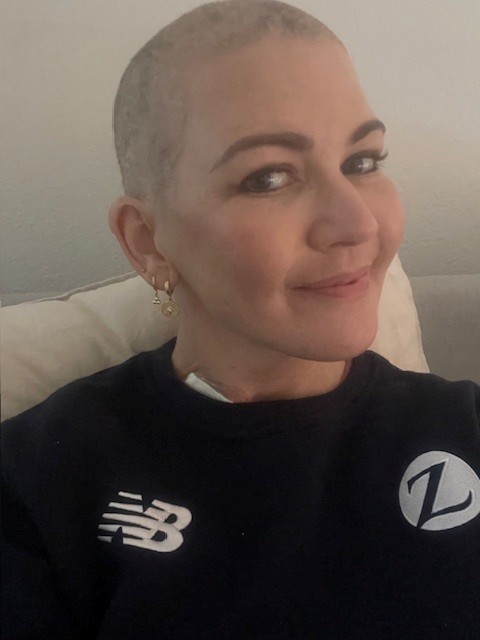
A message to supporters
Many people who give to research never see the results first-hand, or meet the people it helps. Jo has something to say to them.
"You may never meet the person your generosity helps, but I want you to know how much it can mean.
"Someone supported research long before they knew my name. When I was diagnosed, that work helped make another treatment option available to me. Today, I’m in remission and here with my two boys.
"For us, the value of research is measured in birthdays, school milestones, holidays and ordinary evenings at home. It’s the time together that I was so frightened of losing.
"Thank you for investing in people you may never meet. This Christmas, please give what you can to help researchers create more possibilities for the families still waiting."
A message to researchers
Jo also has a message for the researchers working on the next breakthrough.
"I’d want them to know what their work looks like from our side.
"It looks like a frightened mum being offered another treatment option. It looks like the relief of no longer being able to feel a lump, and then hearing there was no residual cancer found at surgery. It looks like reaching a three-year check-up and being able to keep planning for the future.
"Behind every result are people hoping for more time with those they love.
"Thank you for the years of work, the persistence and the questions you keep asking. I’m profoundly grateful that research had progressed far enough to give me this opportunity when I needed it. I want the next person diagnosed to have even more reason to hope."
Help create more possibilities for families
Jo's treatment grew from years of research, the kind of early-stage work that begins with one researcher's idea. Since 1967, Cure Cancer has backed emerging researchers at that very first step, funding more than 580 projects across Australia.
One of them is Dr Kellie Mouchemore, who is studying why immunotherapy works for some women with triple-negative breast cancer and stalls for others, and testing ways to help it succeed for more women.
This Christmas, you can help emerging researchers like Kellie create more possibilities for families facing cancer.
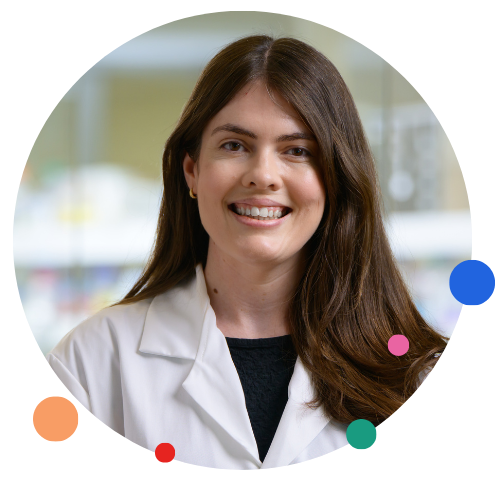
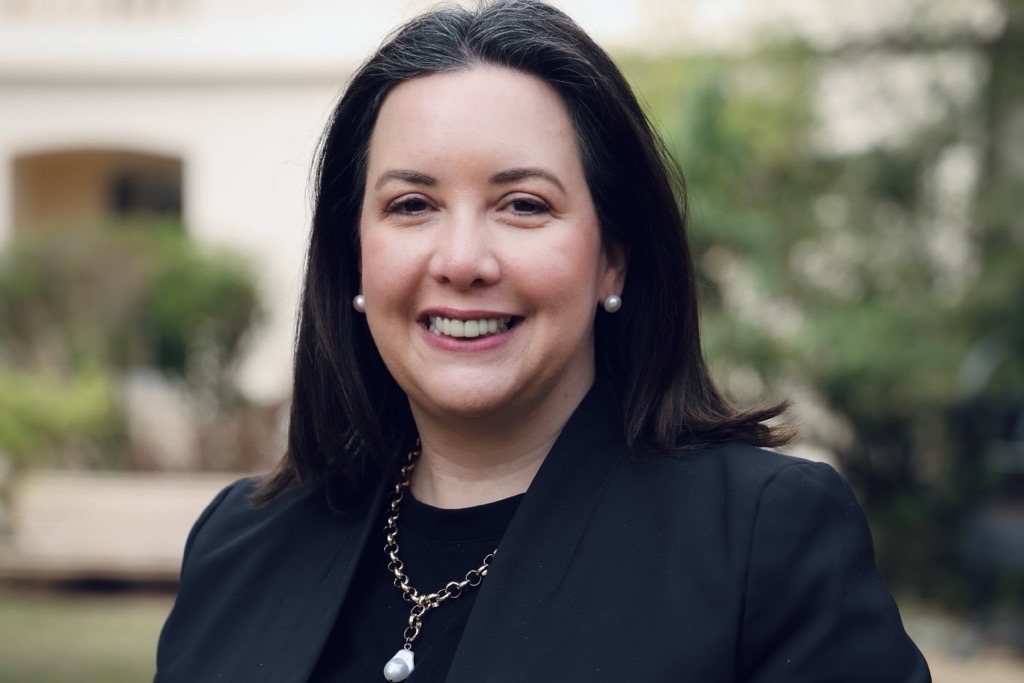
Dr Kellie Mouchemore, breast cancer researcher and Cure Cancer grant recipient