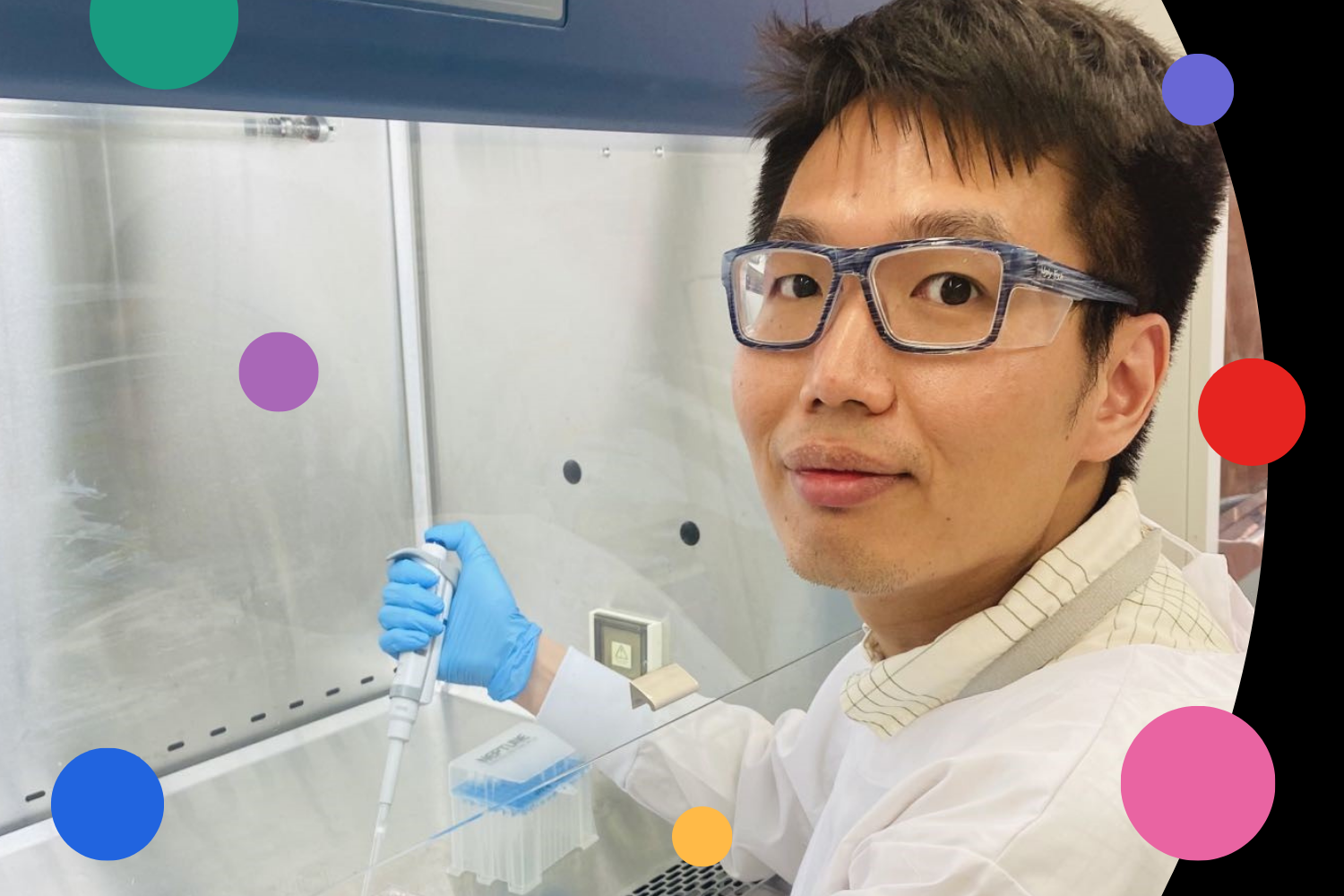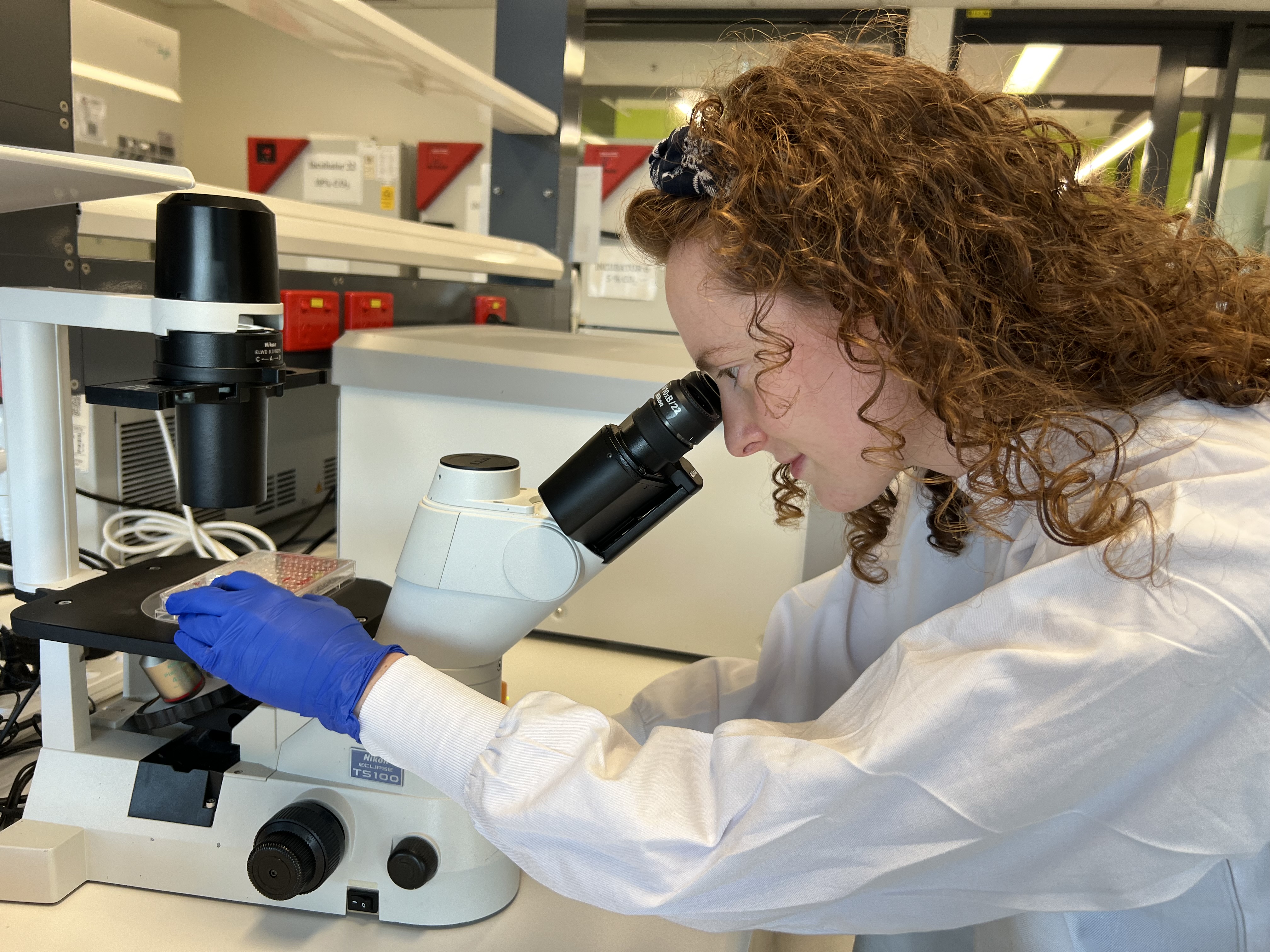

In celebration of Mother’s Day, we talk to three cancer researcher mums to find out how they balance life in the lab with life at home.
DR MELISSA CANTLEY, BLOOD CANCER RESEARCHER
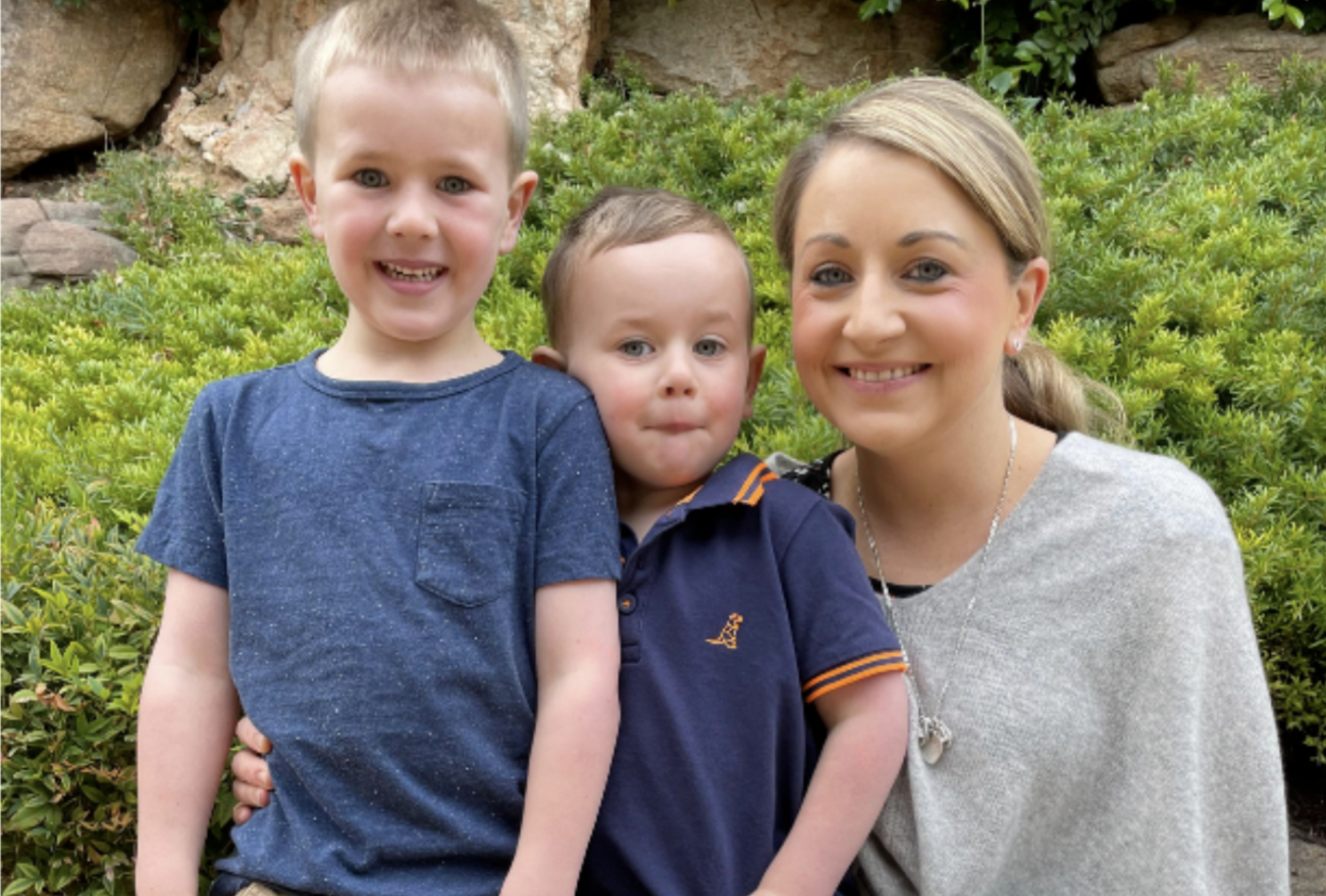
Hi, I’m Melissa. My day job is as a medical researcher, working as an Early Career Research Fellow as part of the Myeloma Research Laboratory at the University of Adelaide, located at SAHMRI. Outside of work, I’m mum to two little boys, William and Alexander.
On being a cancer researcher
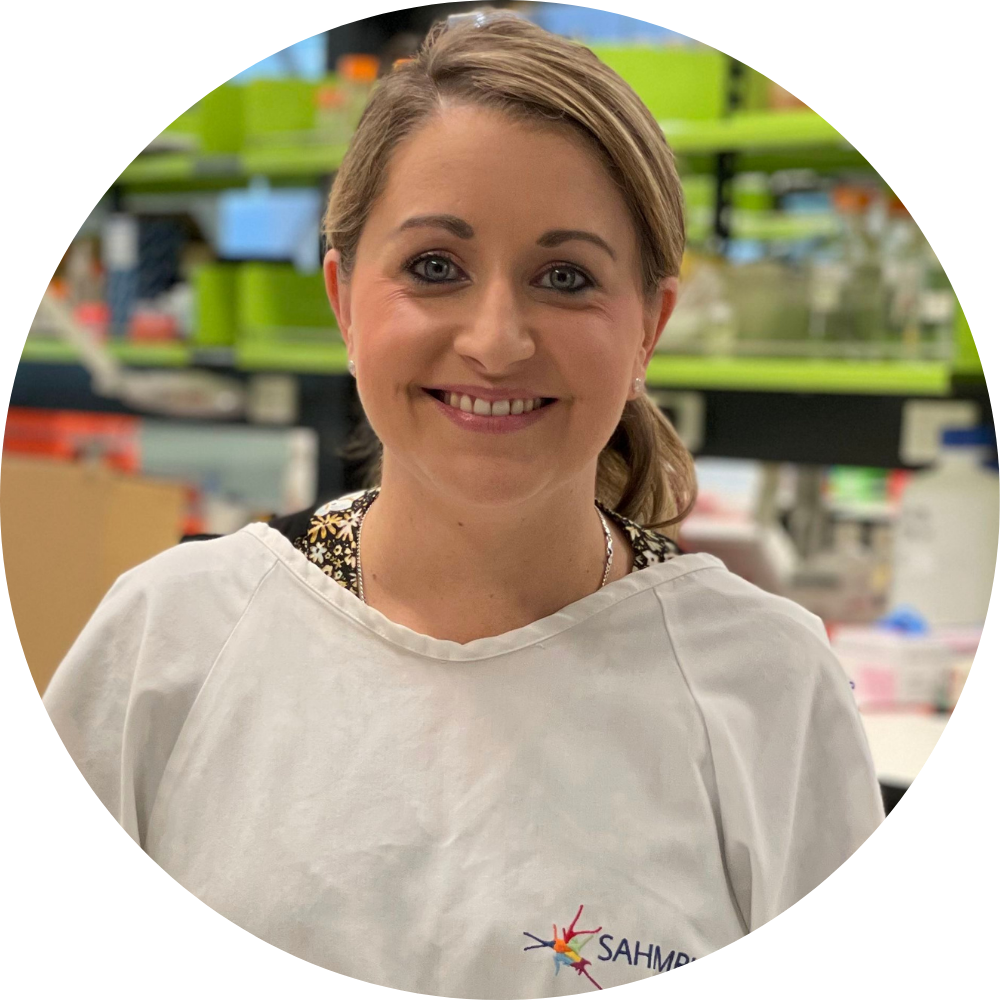
I’ve always lived in Adelaide and love living close to family. Luckily, I’ve been able to follow my career ambitions without having to leave my home city. My research prior to joining the Myeloma Research Lab was focused on bone loss diseases like periodontitis and rheumatoid arthritis to identify new treatment options. My interest in the myeloma research stemmed from the fact that up to 80% of patients with multiple myeloma experience bone disease with many similar features and cell types that I worked on.
Upon commencing in the myeloma field, I was astounded by the knowledge that myeloma patients are only treated when they show signs of organ damage which, in many cases can be irreversible. This sparked my interest in understanding changes that occur with progression from pre-cancerous stages to cancerous myeloma, and how we may be able to reduce chances of patients actually going on to develop cancer and prohibit organ damage. Entering this area of cancer research really opened up my eyes to the impact of the research that we do and how it directly affects the lives of patients.
It’s a truly rewarding career, and I love being able to ask the big questions about human biology and what goes wrong in disease. Coming up with ideas and different approaches of how we can go about exploring and investigating them to provide new understandings of how cancer develops, new ways to identify high risk patients and new treatment options, is a huge driver for me.
On being a working mum
Being a part-time working mother definitely has its challenges. I had two periods of maternity leave close together. Now working in a part-time capacity, there have been impacts on my research productivity and outputs. I have to make a conscious effort not to allow work to spill into time with my family and try to limit working on weekends and at night so that I am able to spend quality time with them.
In saying that, there have also been many benefits! Being a mum has taught me so much and strengthened my skills in organisation, efficiency, and time management. I am very realistic about the competitiveness of a research career and am so thankful to have an amazing support network around me both at work and at home which makes things so much easier to juggle.
My favourite thing about being a mum is watching my boys grow and experience and learn new things. They are such inquisitive, resilient and loving little individuals. It really helps me to appreciate the small things in life when I see how they react to something they are seeing for the first time or how happy and excited they are when they achieve something or learn something new. Being a mum helps remind me to celebrate the small things and to have as many adventures and experiences together as possible.
This year, I’ll be celebrating Mother’s Day with my extended family. We’re all very close and our boys love to spend time with their grandparents and so this will be a day to show them how grateful we are for all the help and support they provide us.
DR VENESSA CHIN, LUNG CANCER RESEARCHER
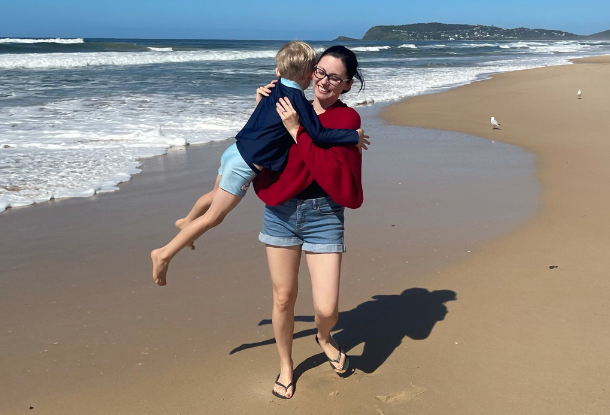
Hi, I’m Venessa, a medical oncologist and cancer researcher. I’m originally from Canberra but did my medical training in Adelaide. I moved to Sydney for my speciality training and live here with my husband and two children.
On being a cancer researcher
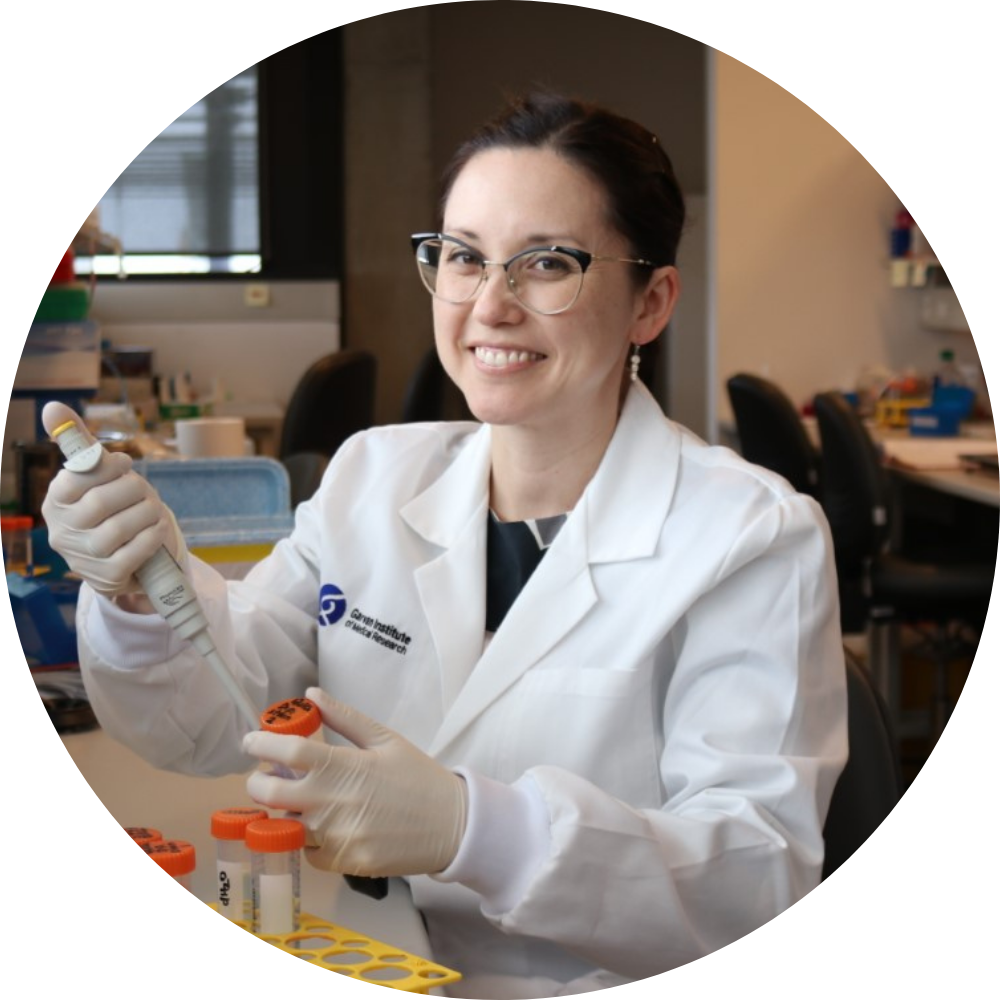
After finishing my medical oncology speciality training, it became obvious to me that personalised therapies guided by biomarkers was the future. It was also clear that genomic sequencing was going to play a large role in the cancer field. I decided I wanted to learn more about this and try my hand at research, so I decided to embark on a PhD at the Garvan Institute. It was there that I was introduced to clinical genomics. I really loved what I was doing and decided to continue research after completing my PhD.
I love being able to conduct research that will have a tangible effect on patients with cancer. I very much enjoy being able to utilise new technologies or approaches in improving outcomes for patients. It’s a nice compliment doing both the clinical work and research work – my clinical experience keeps my research grounded and my research background opens up opportunities for my patients.
On being a working mum…
Although women are still the minority in the research sector, I have been lucky enough to work in labs with very senior and supportive women. I would say my biggest challenge is juggling work and family life. Science doesn’t always conform to the ‘9-5’ working day, so that can be difficult at times.
My kids make me smile every day. Those first-thing-in-the-morning hugs are pretty wonderful, and I love the crazy, moment-to-moment kind of vibe they give to everything. I’ll be celebrating Mother’s Day this year over a leisurely lunch with my family and sister’s family – I foresee plenty of jumping on the trampoline and no doubt some chocolate, too!
DR MARLENE HAO, BRAIN CANCER RESEARCHER
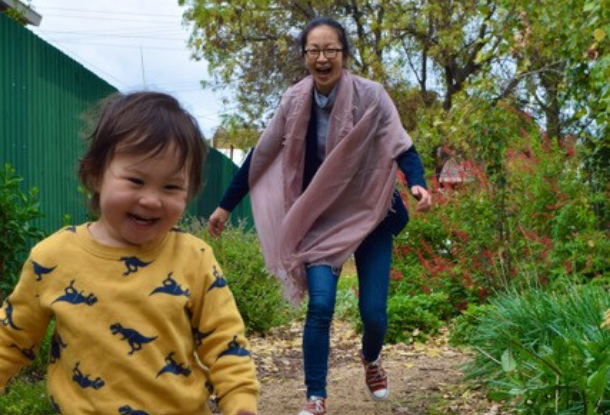
Hi, I’m Marlene and I’m currently leading a research group at the University of Melbourne. I was born in China, and my parents migrated to Australia when I was 8 years old. My dad is actually also a research scientist - he moved us here to Australia to do his PhD, so I grew up being aware of science research. I’m also a mum to my daughter, Isabelle.
On being a researcher
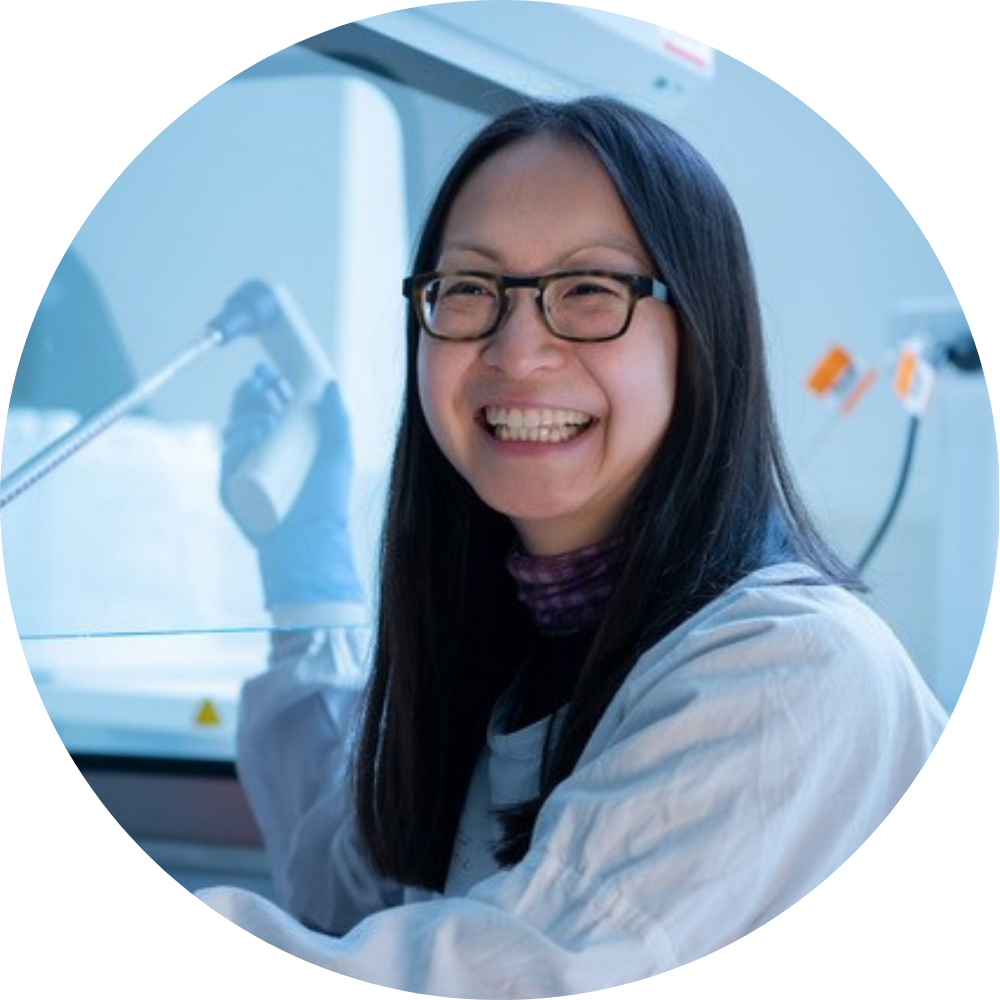
I started out studying Biomedical Science at Melbourne Uni in 2006. Now I’m running a lab together with my long-term collaborator, Dr Lincon Stamp. We have been working together in the same lab for about 7 years now and it’s great to be able to share both the joys and burdens of running a lab together.
My career began with studying the enteric nervous system, which is the nervous system located in the gut. A few years ago, I was riding to work and a very interesting thought popped into my head: why are there no gliomas in the gut? Gliomas are the most aggressive form of brain cancer, and come from mutations that affect glial cells, as well as neural stem cells, in the brain. Glial cells and neural stem cells are present in the enteric nervous system, but somehow, there are extremely few incidences of gliomas in the gut! This got us thinking: what is special about glial cells in the gut that might protect them from forming these aggressive cancers?
It’s so great to be able to work on a problem that moves towards new therapies, and that could potentially have a big impact on patients who have to live with diseases. Cancer is such a horrendous disease, but it doesn’t have to be. For example, so much progress has been made in the way that breast cancer is treated. 30 years ago, patients who were diagnosed with breast cancer were faced with the real prospect of death. Now, we have advanced therapies to the point where 9 out of 10 patients diagnosed with breast cancer survive beyond the first 5 years. The same can happen for brain cancer!
On being a working mum
I took a year of mat leave in 2018 when my daughter, Isabelle, was born. I’m so very grateful to my partner, Daniel, who has always been very supportive of my career. Without his time and effort in looking after our daughter, I would not be able to put in the work that’s needed to keep the lab running.
Whatever career you’re in, we all know it’s extremely hard to balance work and family life. There is always work that needs to be done but having a young child has made me realise that I need to switch off now and again and give 100% of my attention to Isabelle.
Sometimes though, that can mean I’m doing an extra 2-3 hours of work after she’s gone to bed. The competitive nature of grants means that there is very little security, and I’m constantly aware that if I don’t get the work done, I could very well be out of a job in a couple of years’ time when my fellowship ends. At the same time, your kids are only so small for such a short amount of time, and I don’t want to miss out on those special moments in Isabelle’s life!
I’ve been extremely lucky to not have experienced any sexism as a female researcher. I think this has been due to having great mentors, both male and female. I’m also located in a supportive work environment with some incredibly strong and capable female leaders. It’s always been a very collegial environment, and nobody has ever doubted my capability based on my gender.
This Mother’s Day, we’ll be having lunch with my parents, and then dinner with Daniel’s parents. Both our mums have been so wonderful and supportive of us and have really shouldered the responsibilities of being grandmas. I couldn’t have survived last year without their help. It really does take a village to raise a child!
Mums are special, and don't we know it. Our amazing researcher mums, who balance the demands of motherhood with the pursuit of knowledge, are a testament to that.
To make this a truly memorable occasion, why not treat your mum like the queen she is? You could plan a relaxing spa day, cook her favourite breakfast in bed, or surprise her with a trip she's always wanted to take. If you want to go the extra mile, consider gifting a Comfort Pack in her name, which will provide essential items and comfort to someone going through cancer treatment.
The gift of helping others can be a thoughtful way of paying it forward and a powerful reminder to share our blessings whenever we have the privilege of doing so.